Autumn is upon us and it’s been weird spending it in the Iberian Peninsula. We didn’t see the seasons change like they do in Belgium — temperatures are still warm here and we can still spend our days on beaches and swimming in the Mediterranean. Hey, we’re not complaining! But we’re getting ahead of ourselves here…
We decided to drop down to the Costa Dorada recently. The mountains had been incredible, but unfortunately the steep climbs also took their toll. My knees were achy and swollen after all the long climbs. In hindsight, my saddle was probably set a bit too low, creating undue pressure. In the end, we reluctantly decided to bail and descend to the seaside for some flatter riding.
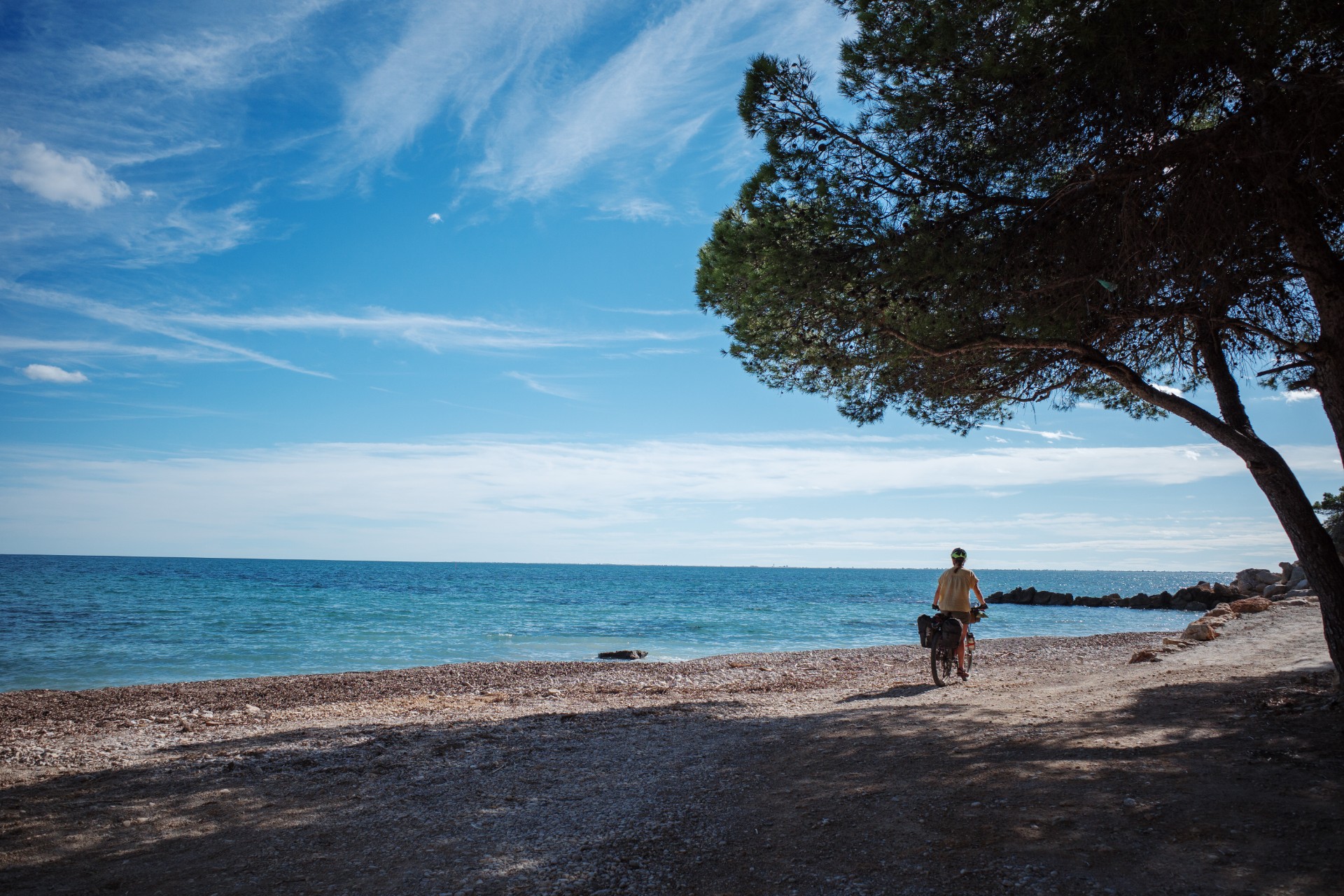
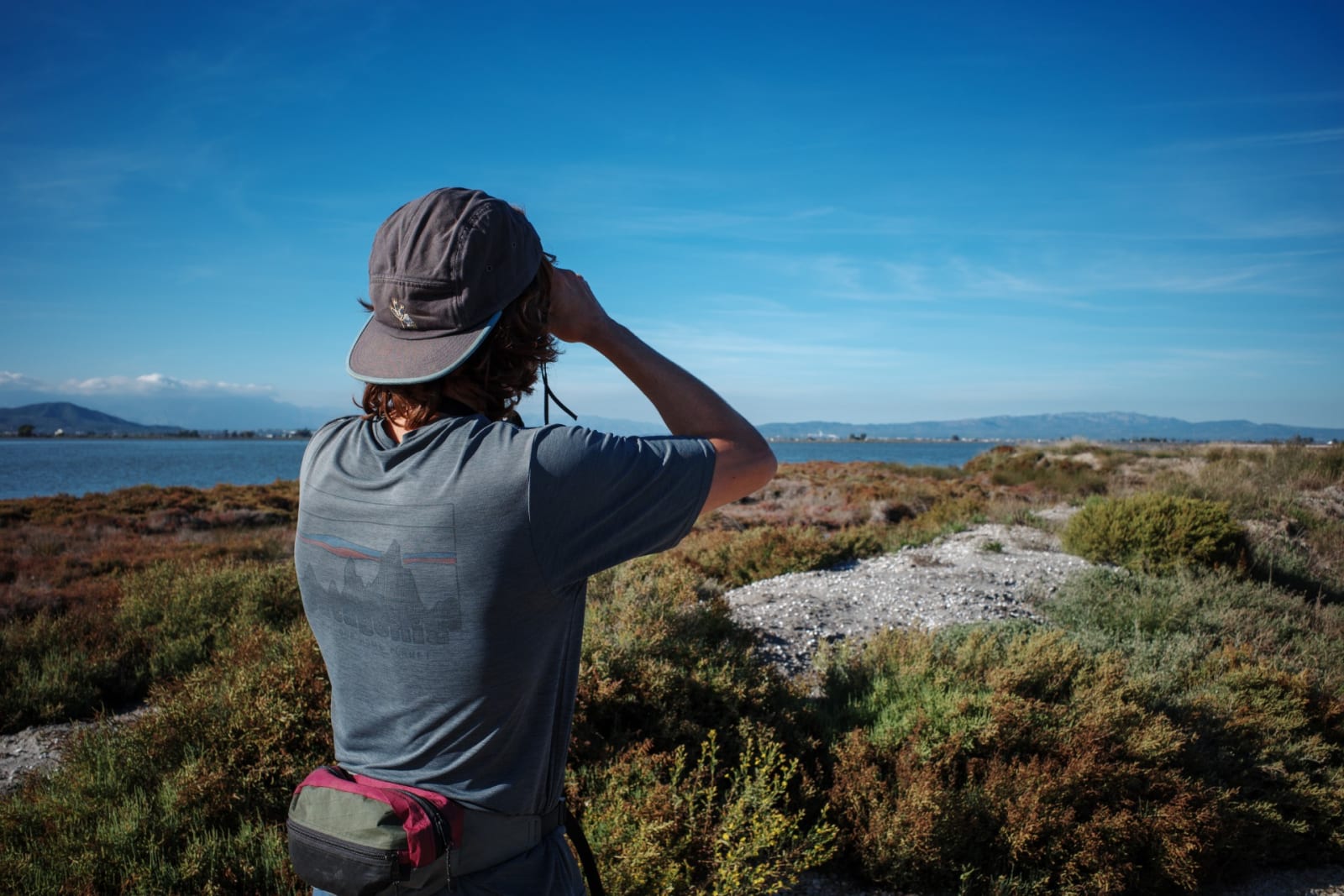
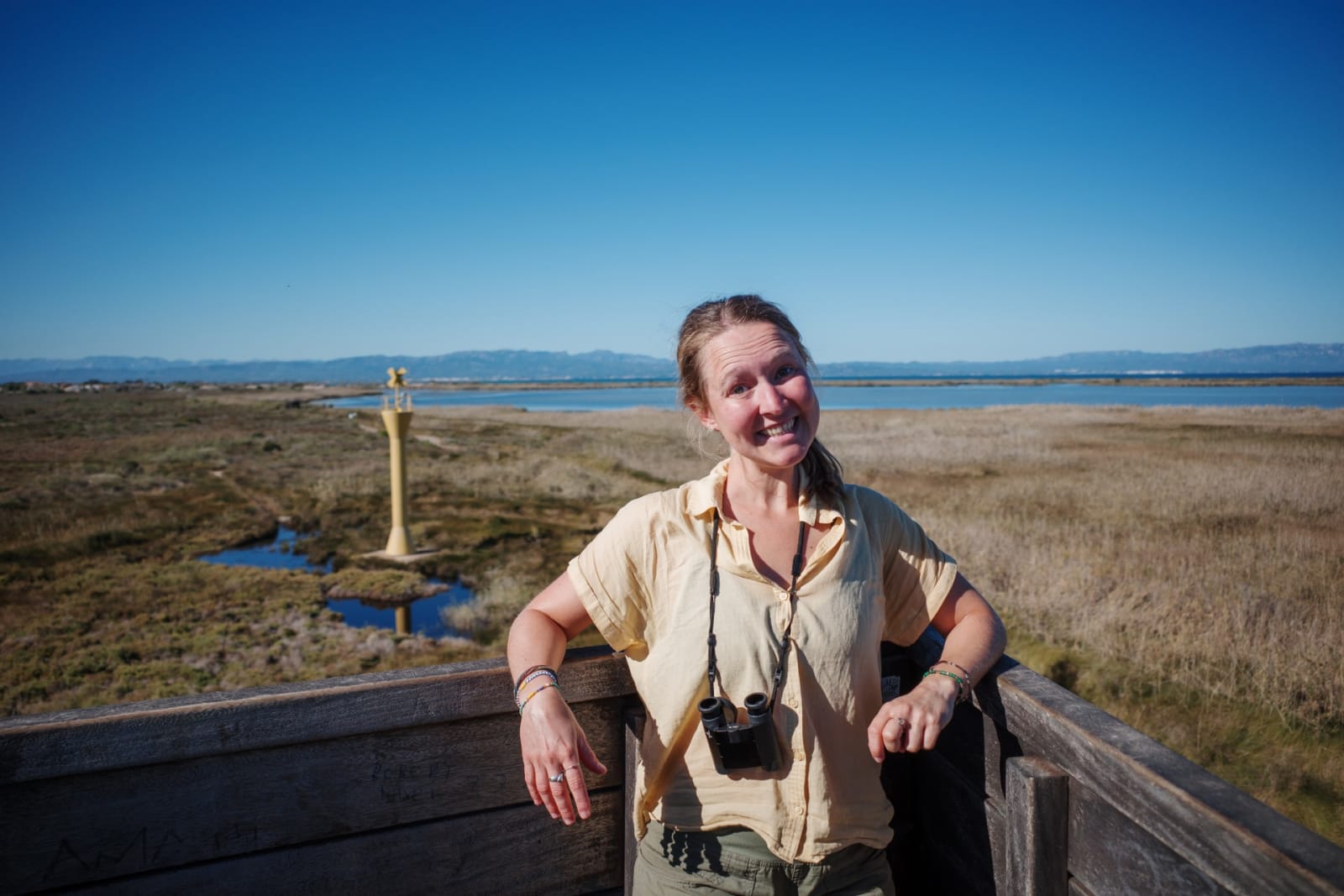
We had already wanted to spend some more time in a Spanish natural park at some point in this trip. This seemed like the perfect time to do it. We’d brought our binoculars but so far had only used them occasionally — too busy riding! Time to change that and finally do some proper bird watching! So we rode our bikes along the coast to the Delta de l’Ebre — a vast wetland in Catalonia where the Ebro River runs into the Mediterranean Sea, creating a huge river delta with an intricate network of lagoons, rice fields, sand dunes, and salt marshes. A prime birding location!
We rolled into the Delta and we immediately knew we were in for a treat. A group of flamingos saluted us and a majestic osprey was hunting in one of the lagoons. We saw it diving head first into the salty water and coming back up with a big fish in its beak! All the gulls were soon after him. Flocks of terns were crying above us, seemingly welcoming us in. We traversed the Delta and passed the many rice fields and irrigation channels it’s known for. Kinda makes you feel like you’re in Asia! The rice fields were packed with wading birds and gulls and we stopped often, staring in awe. What a special place!
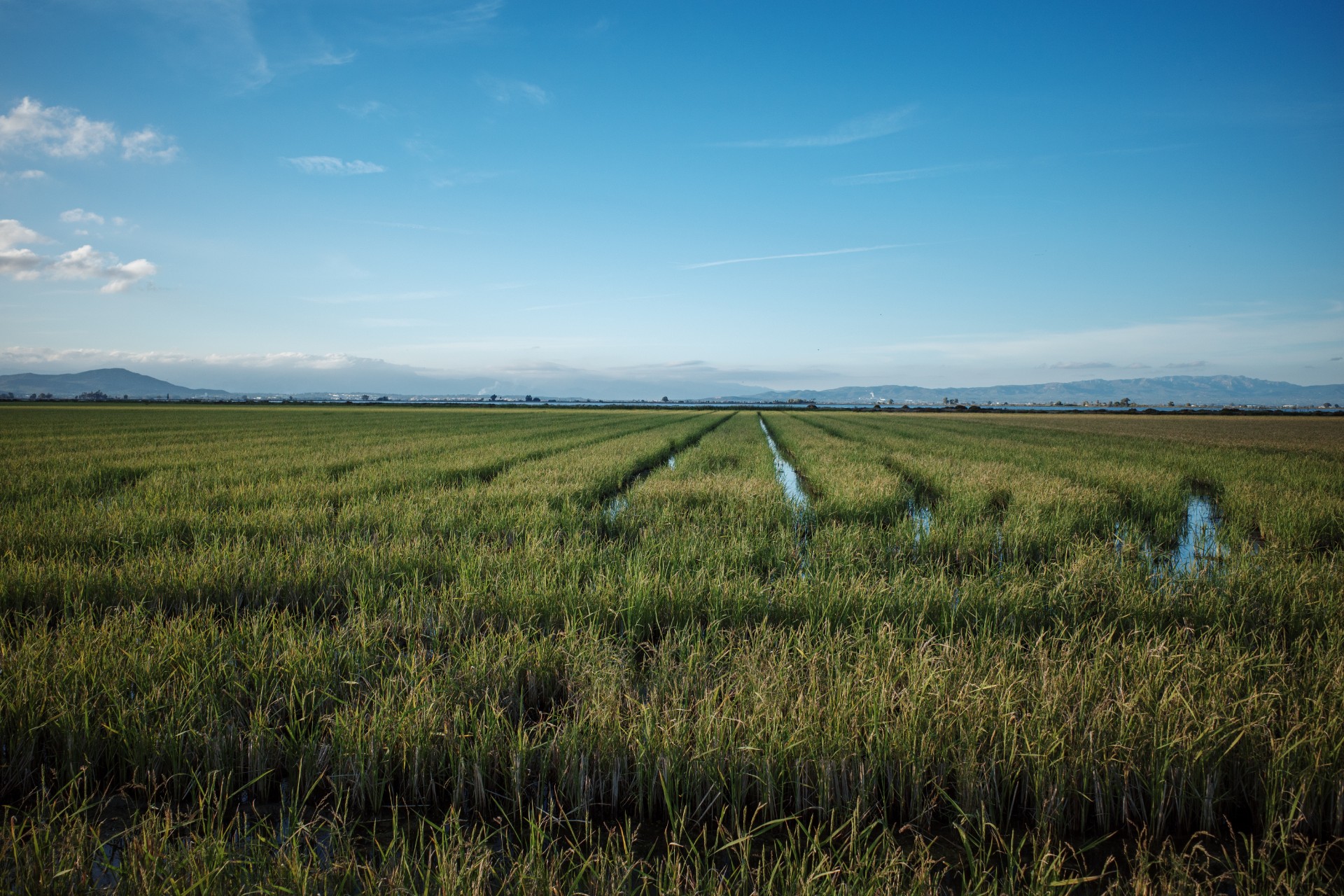
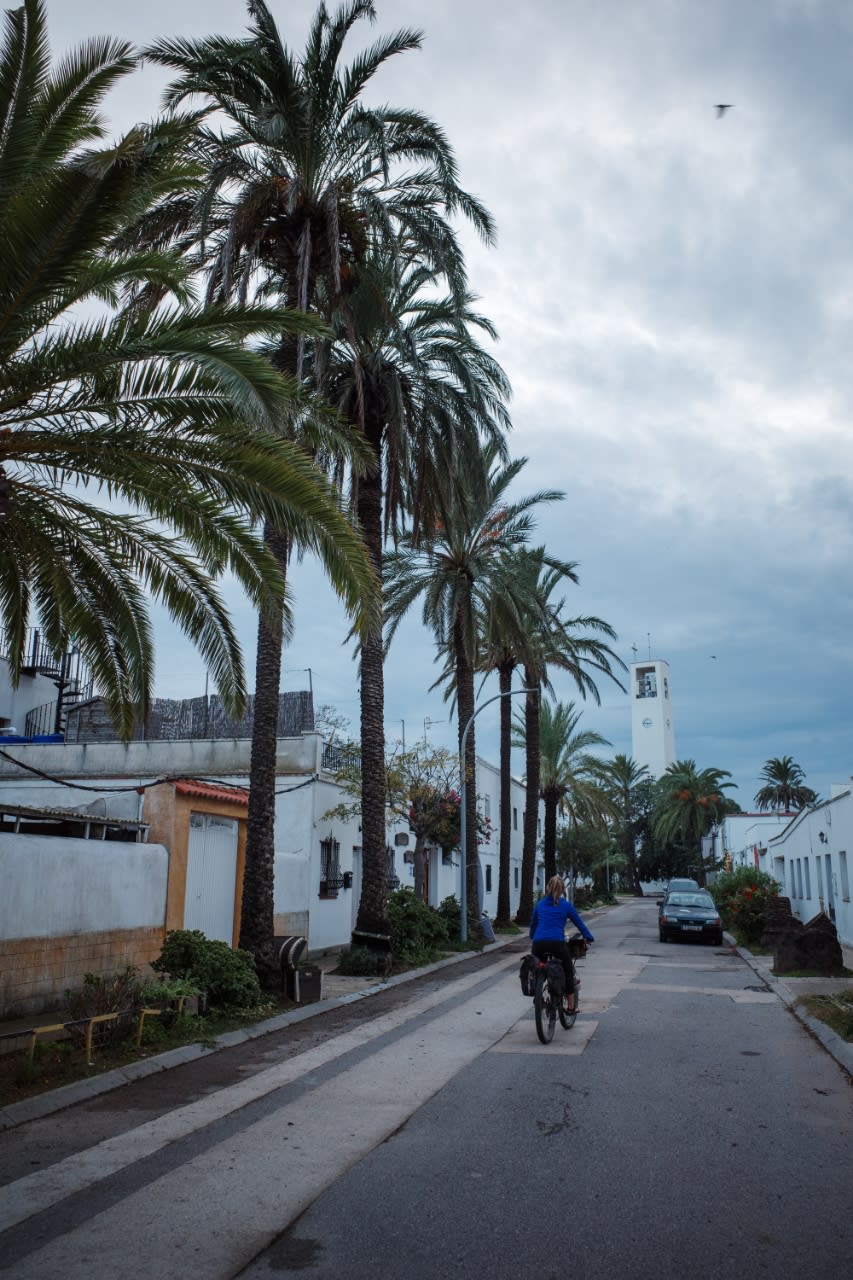
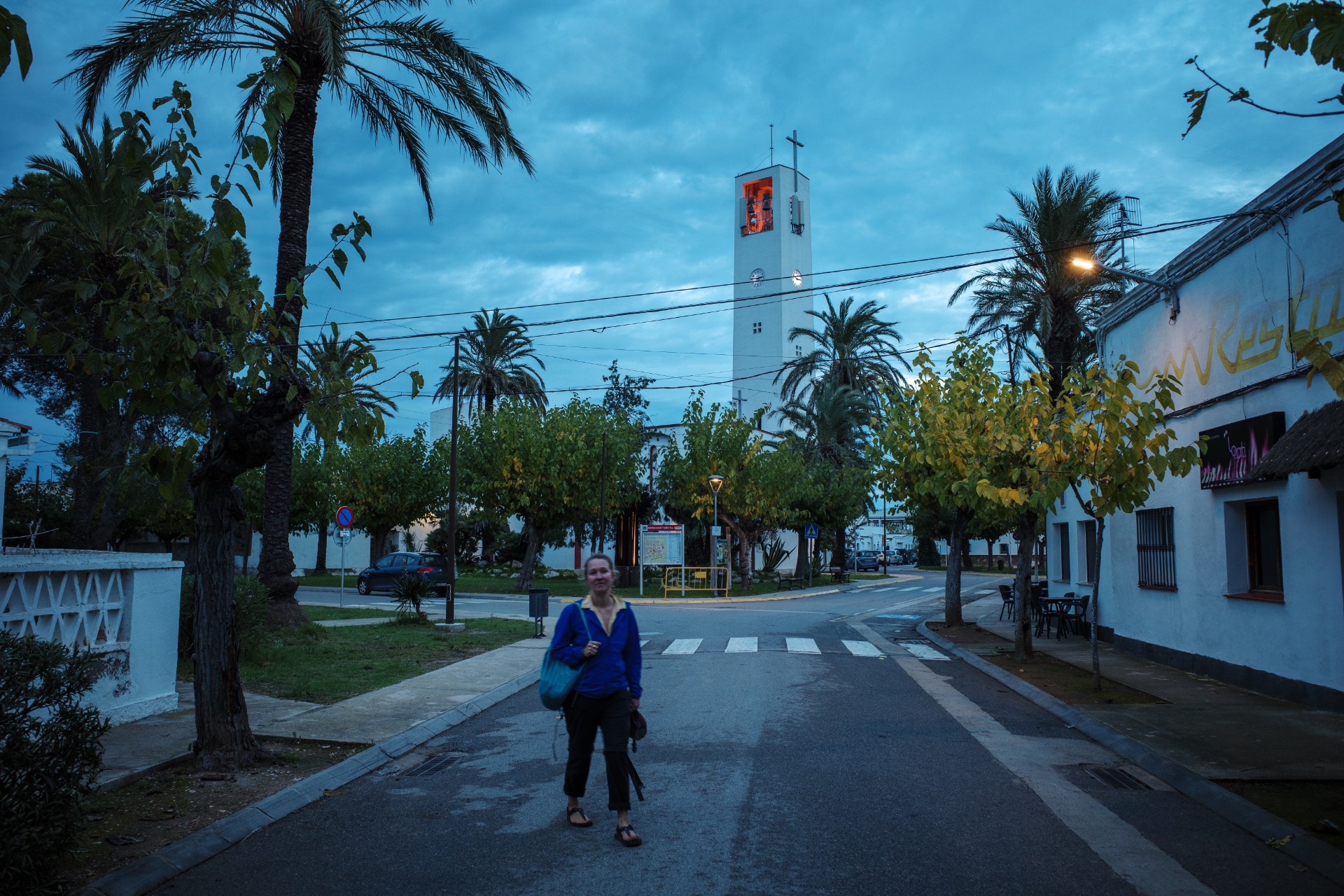
All campsites were closed, so we ended up renting a room in a casa rural in beautiful Poble Nou del Delta — a picturesque little town, deep in the Delta, surrounded by rice fields, lagunas, and nature reserves. The town was originally built in the 1950s under Franco as a way to house the rice workers, and it’s made up of uniformly white, rural-style houses, and the place just oozes tranquility. It felt weird to exchange our tent for brick walls and concrete and not to be moving camp every day. But actually, our casa rural was great, and we were getting serious island vibes in the little town. We had a communal kitchen and a nice inner courtyard to relax in so we could still be outside all day — the perfect base camp.
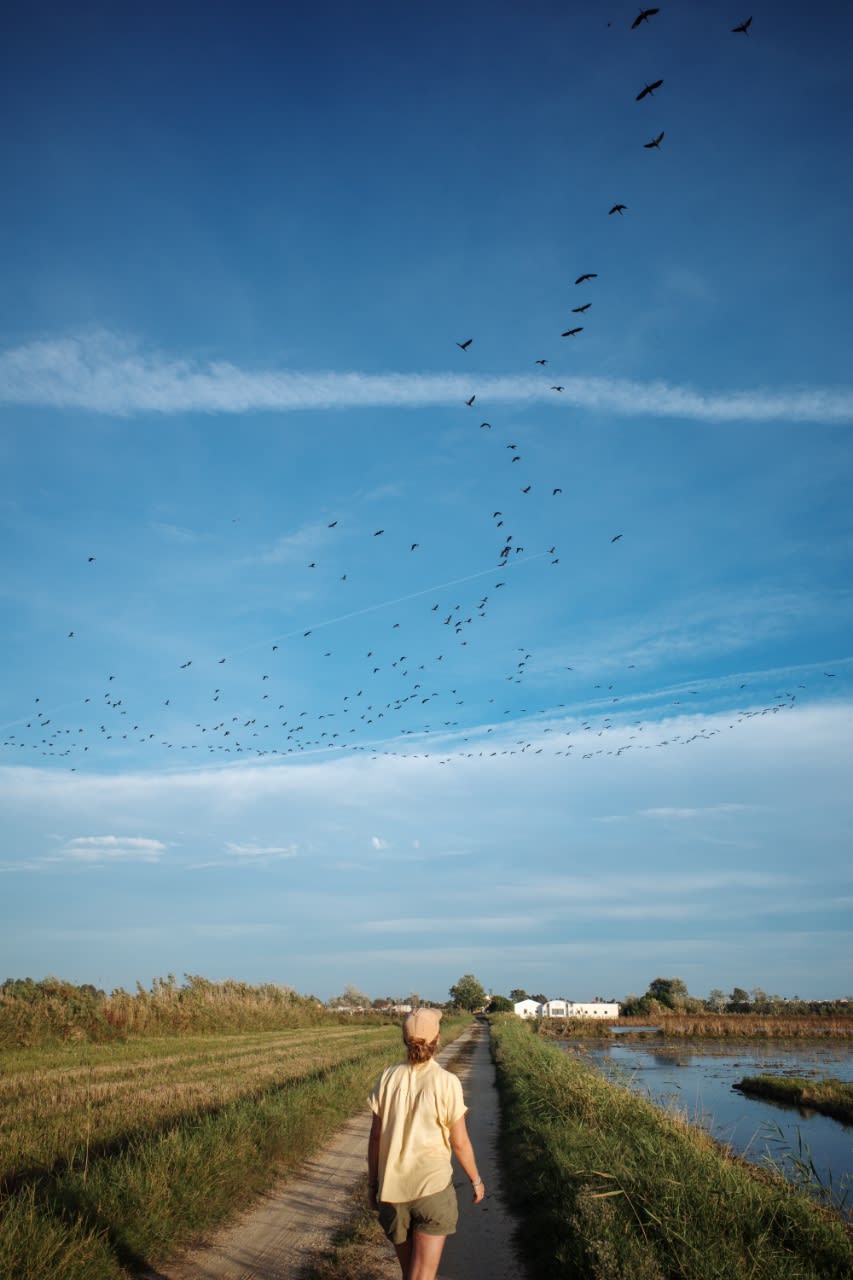
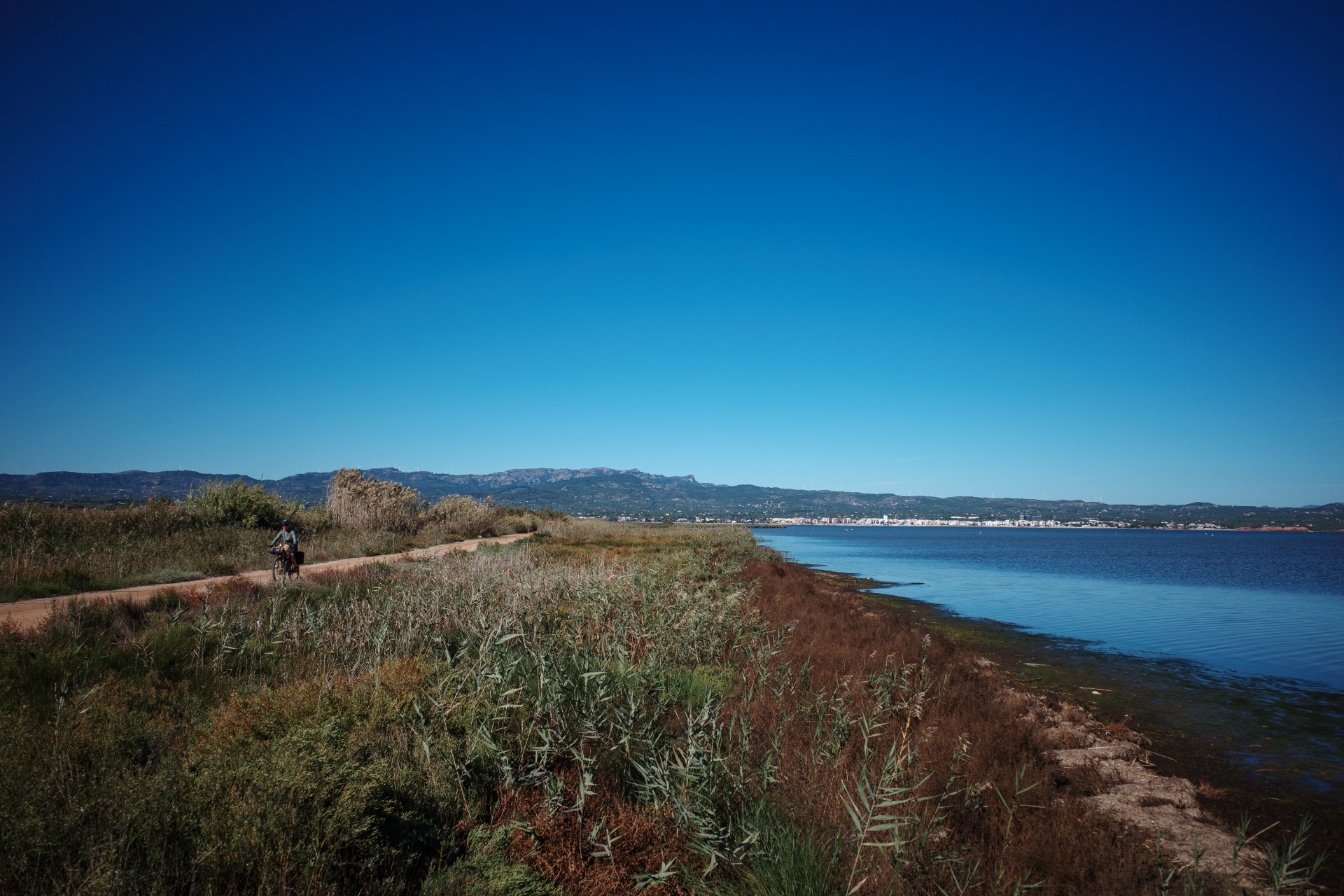
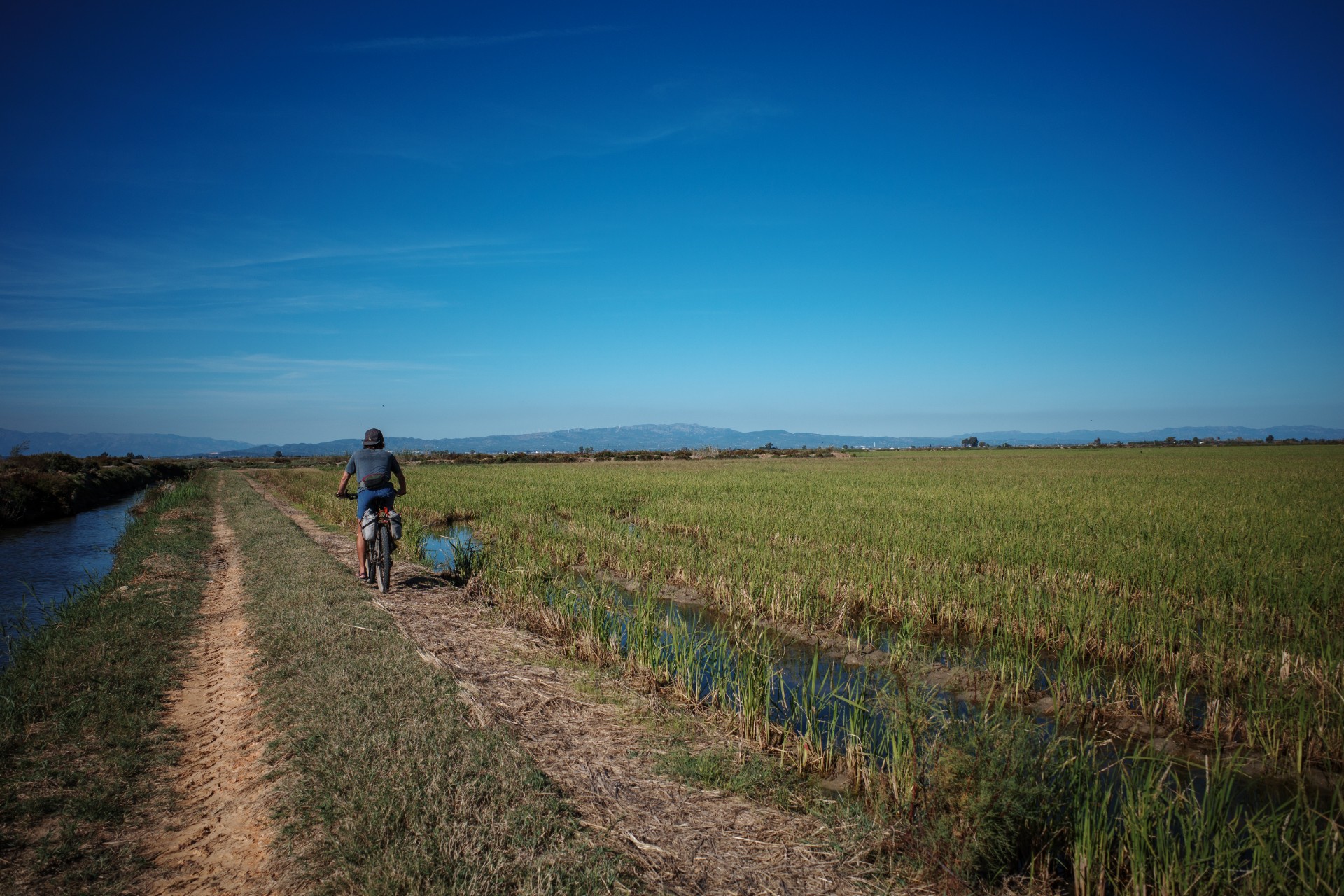
From here, we explored the island by bicycle. Poble Nou is built right between Laguna de l’Encanyissada and La Tancada, and we would bike the dirt roads along their shores every day. A large number of birds settle on these lagoons, and there’s a huge colony of flamingos settled year-round. We found a little farming trail at L’Encanyissada to observe hundreds of them at sunset — honking and grunting away. Flocks of black ibis, herons, and cormorants would fly overhead, roaming the skies. Harriers were abound, hunting the reeds for mice. The place reminded us of a more exotic Texel — one of our favourite places — minus the icy winds. Not a bad combo.
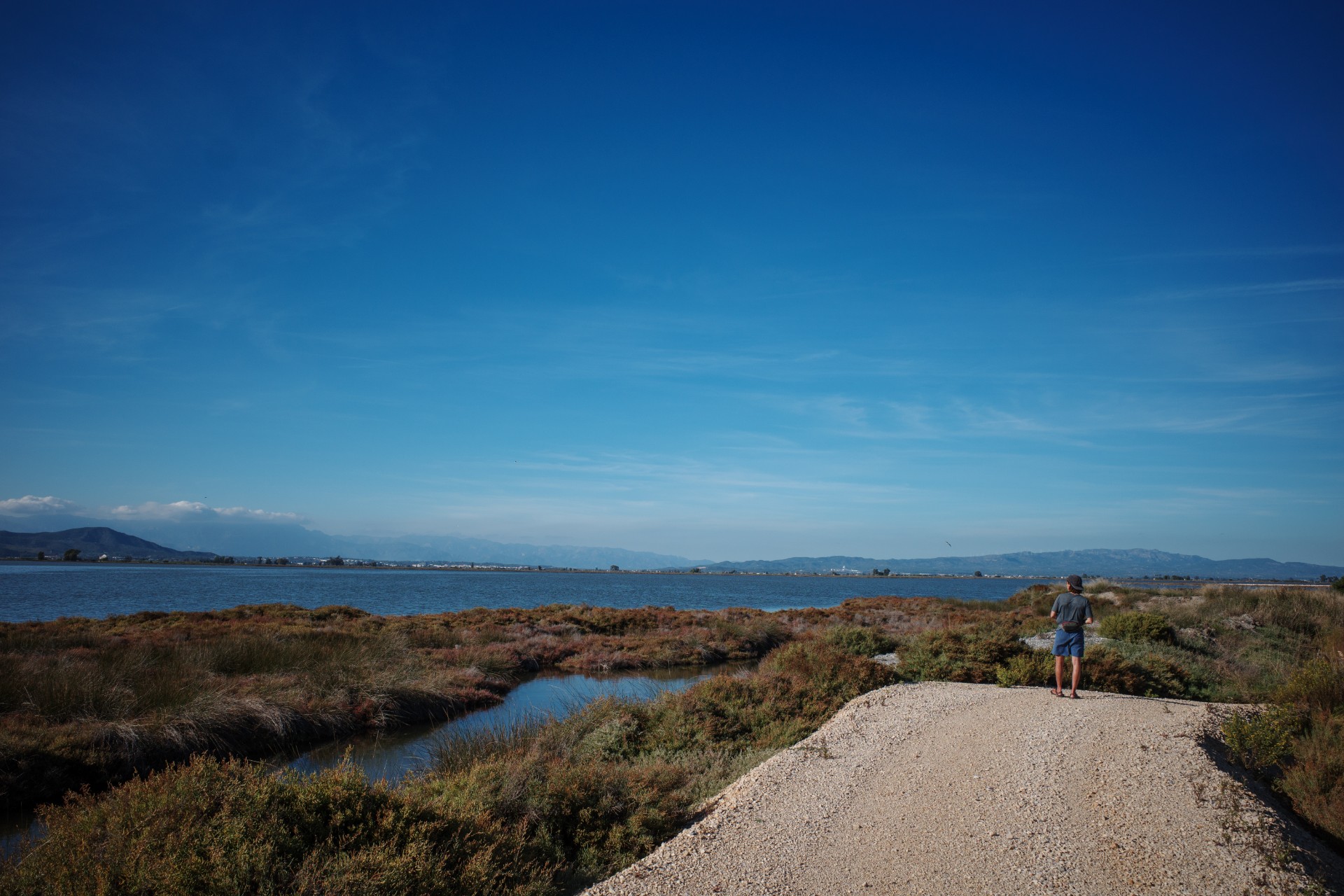
We also spotted a few species completely new to us. Most special was probably the water rail — an elusive and secretive water bird that is often heard but rarely seen. We’d heard it often in Belgium, but we were able to observe them for the first them during our time here. We couldn’t believe it.
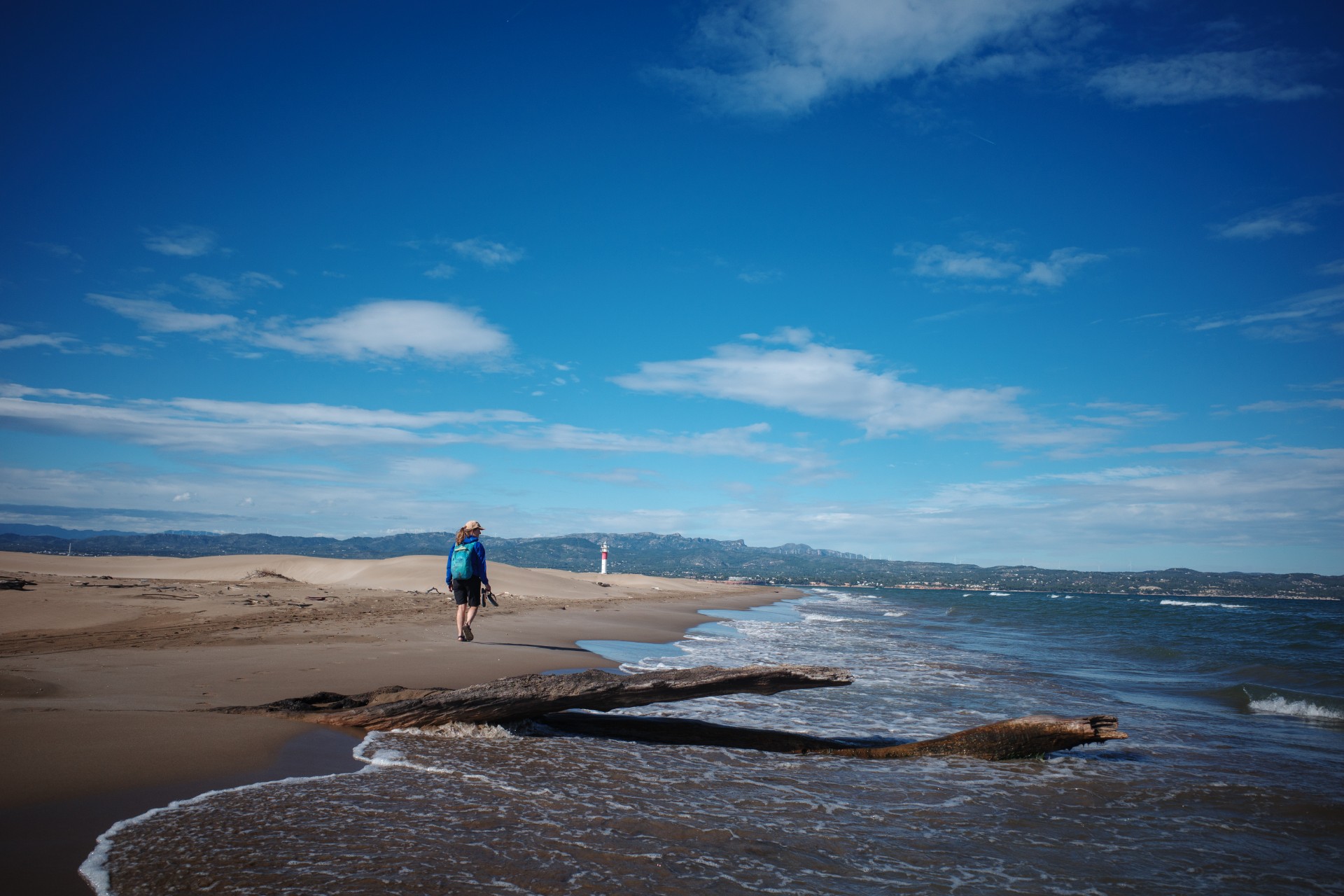
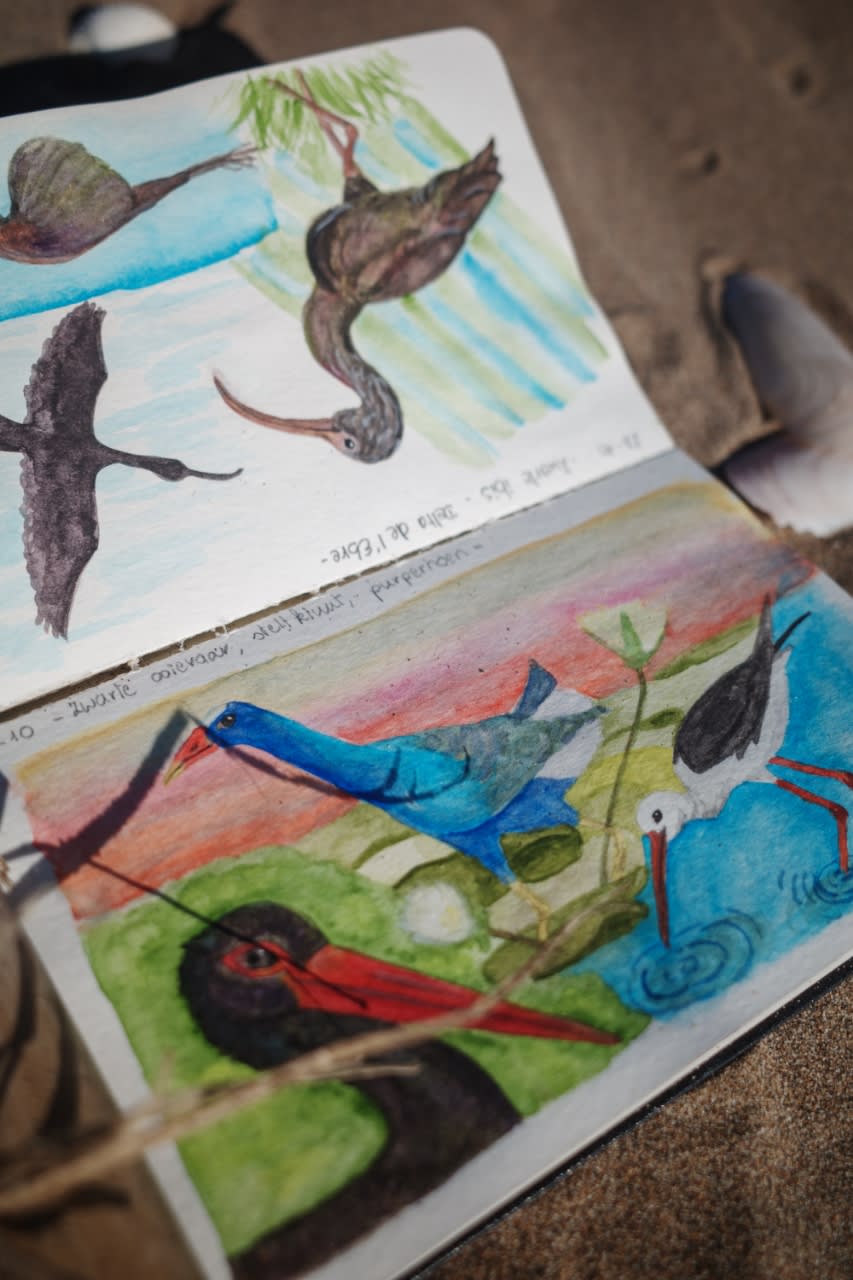
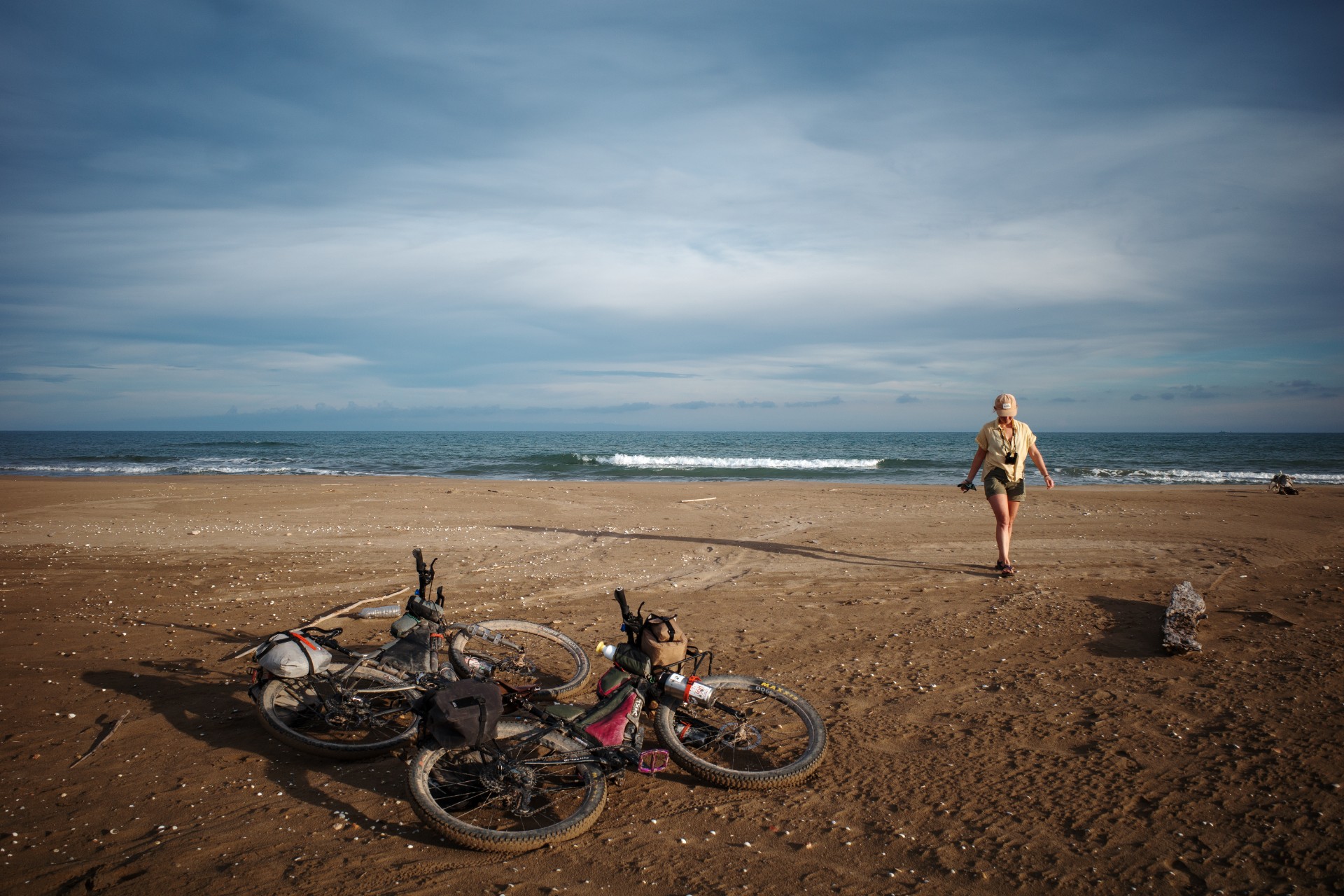
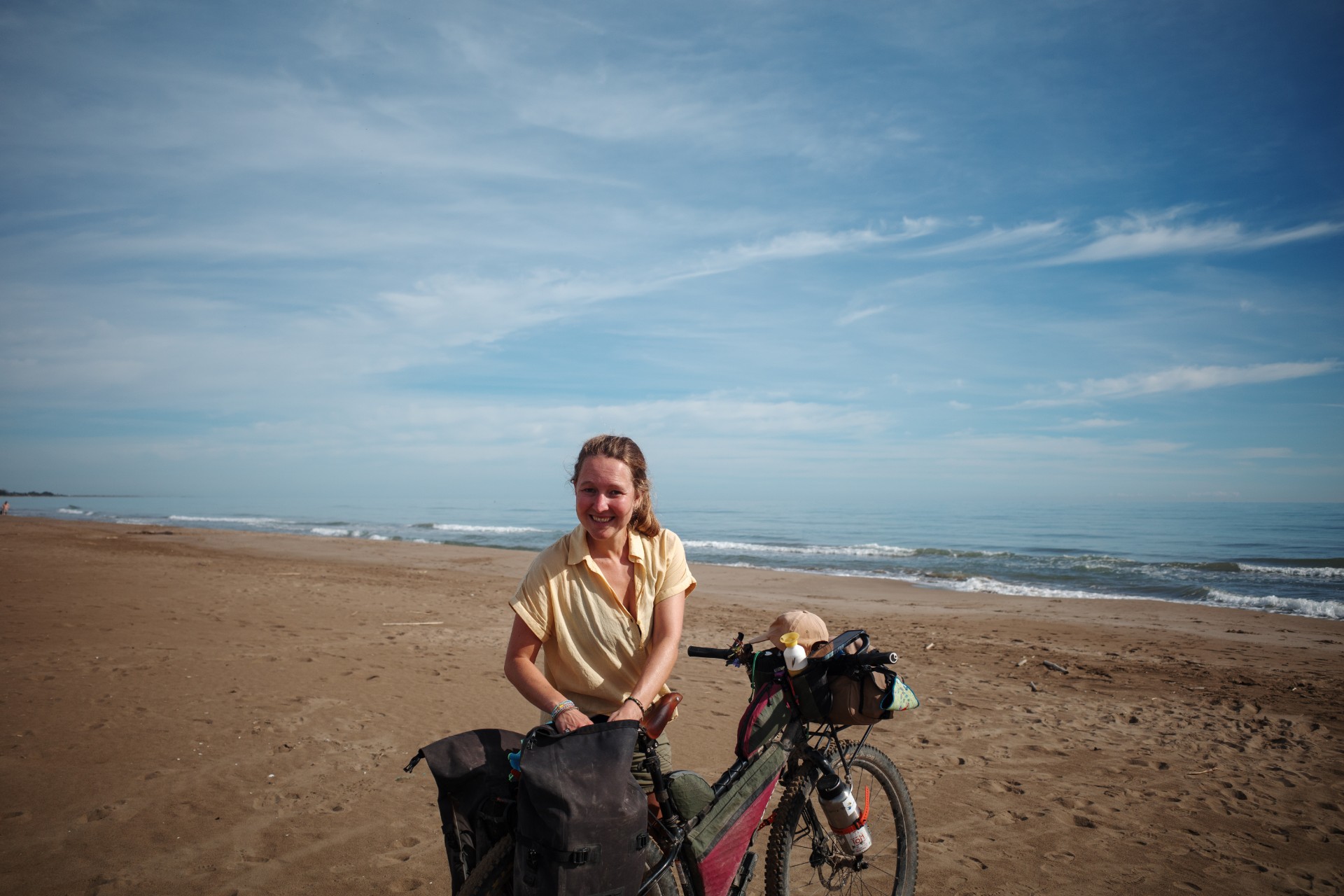
The Delta has a lot of sandy, wild beaches. The beaches are remote and there typically weren’t many people around — a far cry from the over-developed coastline of the mainland where you pass resort after resort. We would typically have our picnics on these beaches and cool down in the Mediterranean Sea after our walks and rides. Temperatures were still above twenty degrees when we were there, and there wasn’t much wind. I think we deserved that after the windy beaches in France! We could finally come out of the water without shivering our asses off. We’d lay there on the beaches, dozing in the sun, Babette painting all the landscapes and birds she’d seen that day in her little collection.
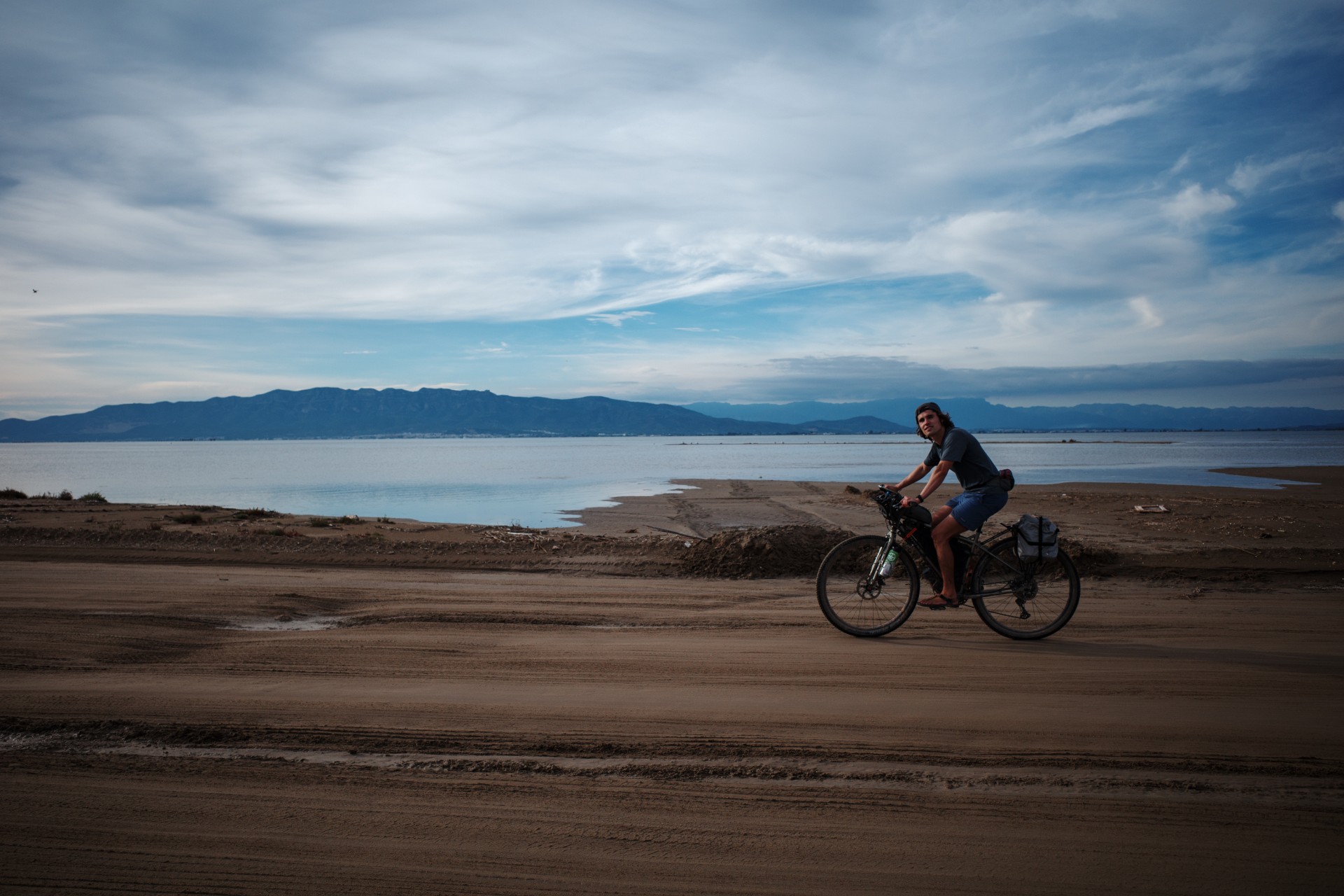
We found Playa del Trabucador to be the most special of those beaches. El Trabucador is a narrow seven kilometres sand spit that stretches deep into the Mediterranean. We biked and hiked across the long sandbar and the scenery was incredible. The spit is only a few dozen meters across, so we could see the Mediterranean on one side, and Bahía de los Alfaques on the other! At sunset, the flat sand, mirror-like bay water, and big blue skies created something of a surreal painting. The mountains loomed in the distance, creating an incredible backdrop to the whole thing. The Trabucador is incredibly fragile and becomes narrower each year due to rising sea levels.
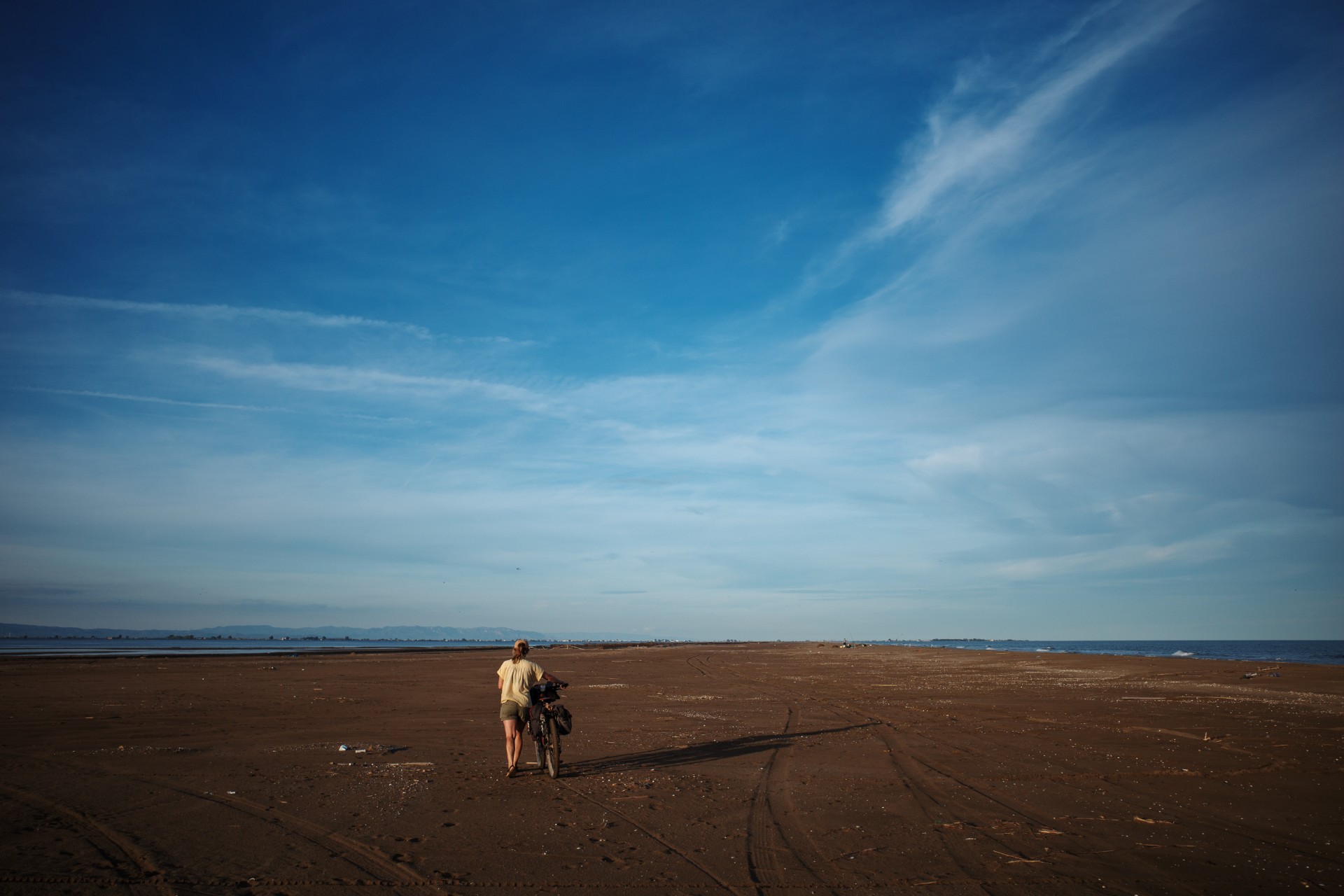
Another incredible place is the Peninsula del Fangar — a sandy peninsula at the northern edge of the Delta that’s a refuge and nesting area for migratory birds. You can hike along the beach to the iconic Faro del Fangar — a lighthouse on the north end of the peninsula— so that’s what we did! The place is pretty remote and its vast sand dunes gave it a special character. Ahh, the Ebro Delta, a precious place we won’t easily forget…